

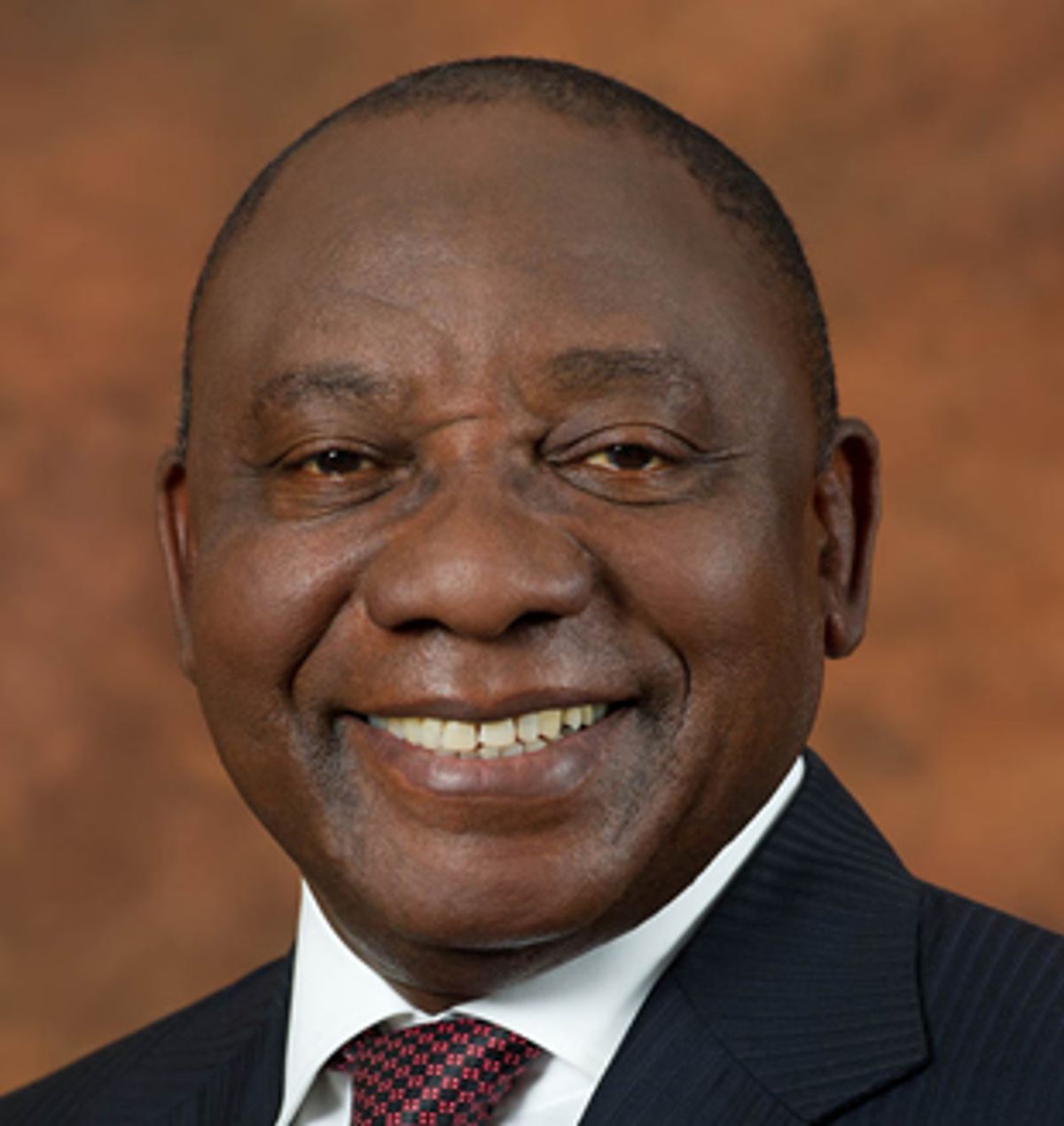
President Cyril Ramaphosa has announced four immediate measures aimed at strengthening South Africa's response to gender-based violence and femicide (GBVF), following a series of killings of women in Ekurhuleni.
In an address to the nation, Ramaphosa said the Ekurhuleni killings were receiving attention at the highest levels of government and law enforcement.
A specialised multidisciplinary investigation has been elevated to national level and brings together detectives, Crime Intelligence, forensic specialists, investigative psychologists and digital investigators. Pasted markdown
The President confirmed that arrests had already been made in connection with several of the killings, while persons of interest had been identified in other cases. Investigators have also collected forensic evidence including DNA, blood samples, clothing, cellphones and cellphone records. Pasted markdown
Government's Inter-Ministerial Committee on GBVF had previously confirmed that a comprehensive emergency strategy was being implemented following the discovery of women’s bodies in Ekurhuleni. Government of South Africa
Ramaphosa cautioned against assuming that the deaths were the work of a single perpetrator, saying police had not established evidence to support that conclusion and that all possibilities remained under investigation. Pasted markdown
Four immediate interventions
The President announced four measures intended to address weaknesses in the country's response to violence against women.
The first is a National Case Recovery Operation targeting unresolved murders, attempted murders, rapes and serious sexual offences involving women and children.
Within 60 days, authorities have been instructed to establish how many unresolved cases exist, how old they are, which are awaiting forensic evidence, where identified suspects have not been arrested, and which cases have experienced unreasonable investigative or prosecutorial delays.
Within 90 days, individual recovery plans must be developed for priority and stalled cases. Pasted markdown
The second intervention is a Forensic Backlog Elimination Plan.
Police and forensic authorities have been given 60 days to produce a funded plan for reducing forensic backlogs and establishing turnaround standards for priority GBVF cases.
Samples relating to the rape or murder of women and children are to receive priority processing, while progress must be publicly reported every quarter. Pasted markdown
Municipalities ordered to identify unsafe areas
The third intervention could have direct implications for communities across the country.
Ramaphosa instructed every municipality to begin a women's safety audit without delay.
Working with provincial governments and police, municipalities must identify high-risk areas, including broken streetlights, overgrown public spaces, abandoned buildings, unsafe transport routes and facilities, poorly secured parks and cemeteries.
Within 90 days after completing the audits, urgent hazards must either have been addressed or included in funded implementation plans with clear completion dates.
Provincial and municipal authorities have also been instructed to intensify enforcement of liquor laws and by-laws, particularly against unlicensed outlets and establishments operating outside permitted hours. Pasted markdown
For communities such as Cosmo City and surrounding areas, the directive creates an important local accountability question: which places do residents consider unsafe for women, and how quickly will municipalities respond when those areas are identified?
Alcohol-related violence also targeted
The fourth intervention focuses on alcohol-related violence.
The President directed several government departments to develop a coordinated legislative and enforcement package within 60 days.
Ramaphosa stressed that alcohol does not cause GBV and can never excuse it, but said harmful alcohol use can aggravate interpersonal violence and therefore forms part of the broader prevention effort. Pasted markdown
'If you know something, say something'
Ramaphosa also appealed to South Africans to provide information that could assist investigations.
He reminded the public that there is no requirement to wait 24 hours before reporting someone missing.
Information such as photographs, vehicle registration numbers, messages, telephone calls and seemingly insignificant observations could provide investigators with important leads, he said. Pasted markdown
Government had made the same point earlier in its response to the Ekurhuleni killings, urging families to report missing people immediately and provide police with recent photographs and information about where they were last seen. Government of South Africa
'Good men' urged to speak out
A significant part of the President's address focused on prevention and the role of men and boys.
Ramaphosa argued that GBV begins before physical violence — through attitudes about women, controlling behaviour, coercion, harassment and the refusal to accept rejection. Pasted markdown
He called on men to challenge friends, colleagues and relatives who abuse or mistreat women.
"It is time for good men to stop being silent men."
The President said the responsibility for violence always rests with the perpetrator and should never be placed on the victim. Pasted markdown
The Inter-Ministerial Committee and National Council on Gender-Based Violence and Femicide are expected to monitor implementation of the new measures, with the first consolidated progress report due within 90 days. Pasted markdown
Ramaphosa concluded by calling for action rather than condemnation alone, saying the country should work towards a future where women and girls can live in freedom, dignity and safety.